Center for Humanitarian Emergencies


Driving global collaboration, research and evidence-based training to improve the lives and well-being of populations impacted by humanitarian emergencies.

Give Now

By creating sustainability and fiscal effectiveness, we can provide support across all areas of our programming from today into the far reaching future. With your help, we will be able to increase our global impact, sustainably training more fellows from crisis affected regions and providing intensive practical experiences for more students. Together we can train the future leaders in the field of humanitarian response.

Learn More

Recent News


Publication Alert

Dr. Dabney Evans' research on Domestic Violence in Georgia during COVID-19 was featured on the RSPH website. Check out an overview of the research here and read the full article here.

Graduate Certificate

Pending federal reorganization efforts, the Certificate in Humanitarian Emergencies is not formally being offered in the 2025-2026 academic year. We hope to be able to bring it back in 2026-27.

Key Notes

  • Several electives that are relevant to the certificate will be offered in 2025-2026.
  • Core courses may be offered in 2026-2027; a decision will be made in spring 2026.
  • Completing relevant coursework and tracking progress will be a self-guided process by the student.
  • There is no formal application process for this certificate in the 2025–2026 academic year.
  • Current students entering the program in fall 2025 who intend to complete relevant coursework for the certificate should submit the statement of intent by the end of the fall 2025 semester.
Learn More

Publication Alert

Dr. Dabney Evans, Executive Director of the Center for Humanitarian Emergencies, was recently featured in a Kaiser Health News piece on COVID-19 reopening here in Georgia.

Check out the piece here.

Publication Alert

Ariel Kay, a 2019 CHE Grad, just had her article, "The burden of anaemia among displaced women and children in refugee settings worldwide, 2013–2016", published in BMJ Global Health. This paper represents the culimination of her work with the ERRB during her 2 years at Emory.  

Check out her article here.

2018 Inter-Agency Field Manual on Reproductive Health in Humanitarian Settings

The 2018 Inter-Agency Field Manual (IAFM) on Reproductive Health in Humanitarian Settings is the result of extensive collaboarative effort by the individuals that make up the Inter-Agency Working Group on Reproductive Health in Crises (IAWG). This manual is the authoritative source for Sexual and Reproductive Health in crises.

Explore the IAFM

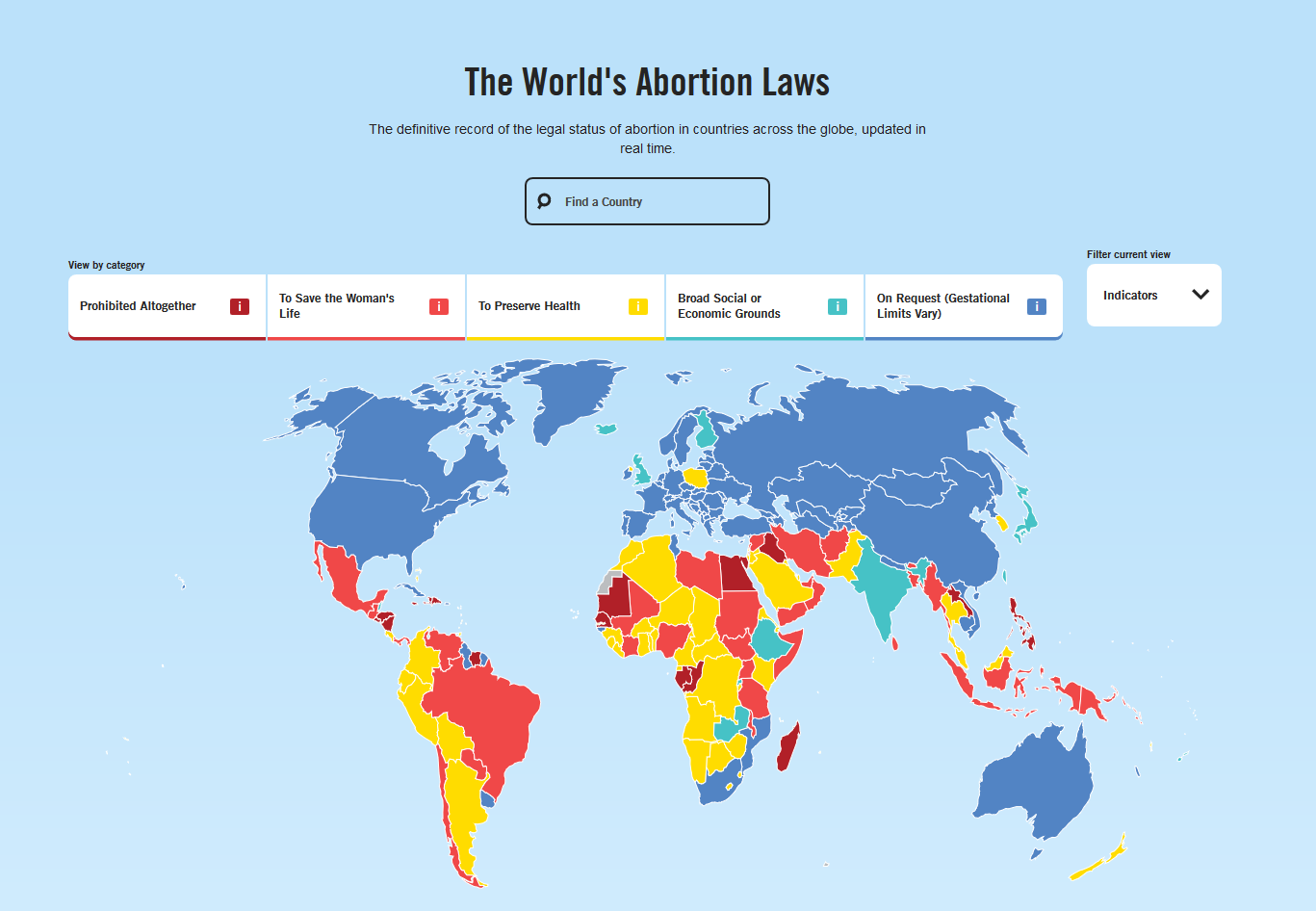
NEW: World Abortion Laws Map

The Center for Reproductive Justice has just released their 2019 World Abortion Laws Map.

Explore the 2019 Map

Margaret Bourdeaux: Why civilians suffer more once a war is over

In a war, it turns out that violence isn't the biggest killer of civilians. What is? Illness, hunger, poverty -- because war destroys the institutions that keep society running, like utilities, banks, food systems and hospitals. Physician Margaret Bourdeaux proposes a bold approach to post-conflict recovery, setting priorities on what to fix first.

View TedTalk